Singapore’s humidity clings to fabrics like a second skin—which is why that chunky wool throw from the Scandinavian winter collection will spend most of its time balled up in a storage ottoman. In HDB master bedrooms where 12 sqm is the norm, airflow trumps insulation; linen or lightweight cotton throws with open weaves work better, draping neatly over IKEA’s Holmsund daybed or FortyTwo’s modular sofas without trapping heat. The hygge aesthetic doesn’t have to mean sweating through the night.
Local shoppers often default to synthetic blends for easy care, but they’re a false economy—polyester may resist wrinkles, but it sticks to skin in our climate. Opt for unbleached linen from Commune’s seasonal collections or organic cotton with a loose knit; both age well, developing a lived-in texture that suits the Scandinavian preference for imperfect minimalism. Just avoid anything heavier than 300gsm—that’s when throws start feeling like weighted blankets.
Colour matters more than most buyers realise. Pale oatmeals and sage greens hide sweat marks better than stark whites, while still reading neutral against light oak furniture. And skip the pom-pom trims popular in Nordic winter catalogues—they’re dust magnets in Singapore’s high-rise neighbourhoods, where open windows mean constant particulate drift. A well-chosen throw should look casually tossed, not staged; something that says “I woke up like this” rather than “I ironed this for Instagram.”
For smaller spaces, 140x200cm is the sweet spot—large enough to cover two seated adults on a loveseat, but compact enough to fold into a Kallax cube when the aircon’s blasting. The best ones live on armrests or bed footboards, ready for impromptu naps or Netflix marathons.
Storage’s the real challenge. Those pretty wicker baskets from Pinterest won’t cut it in our humidity—sealed containers with silica gel packs are the only way to prevent mildew during monsoon season. Yet another reason to keep the throw count minimal: one for the couch, one for the bed, and maybe a spare for guests. Any more and you’re just running a textile museum.
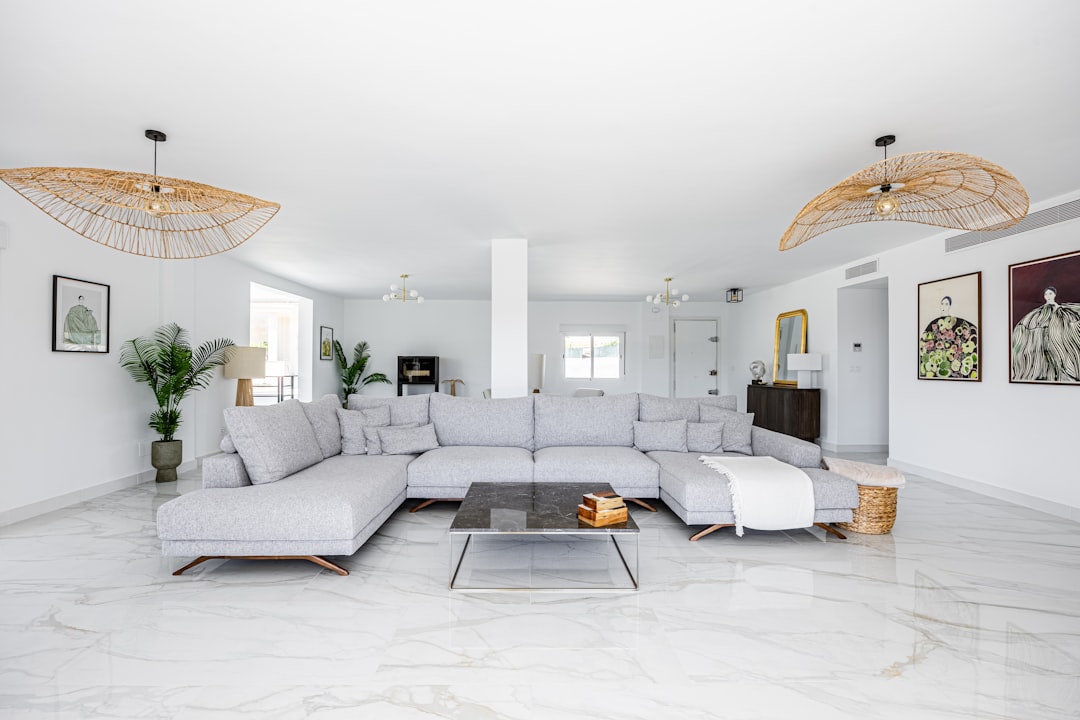
In a typical 85 sqm BTO flat, Scandinavian throws often end up draped over the arm of a light oak sofa or folded neatly on a beechwood bench — less about necessity, more about that layered, hygge-inspired look. Neutral tones like soft greys and muted blues dominate, blending effortlessly with Scandinavian living room furniture’s clean lines and light wood finishes. It’s a practical choice, too; these hues don’t clash with the whites and sage greens common in Nordic palettes, making them versatile across seasons.
Breathability is key in Singapore’s climate, and throws made from cotton or linen are favourites. Wool, though traditional in Scandinavian homes, often feels too heavy for HDB flats and condos where air conditioning runs intermittently. Cotton throws, especially those with a loose weave, strike a balance — they add warmth without overheating, perfect for evenings spent on the sofa with Netflix or a book. IKEA’s range, for instance, offers affordable options that hit the mark, while FortyTwo’s linen throws bring a slightly more premium feel.
The texture of a throw can elevate a space from sterile to cosy. Think chunky knits for depth or smooth, flat weaves for a cleaner look. In many homes, throws are paired with cushions in complementary shades, creating a layered effect that feels intentional rather than cluttered. It’s a small detail, but one that makes a difference — especially in compact living rooms where every piece needs to pull its weight.
For design-conscious homeowners, throws are more than just functional; they’re a nod to the hygge lifestyle, a way to bring warmth into modern interiors without overwhelming the space. Whether it’s a muted blue throw on a grey sofa or a soft grey draped over a beige armchair, the right choice can tie a room together — and make it feel like home.
Scandinavian vases: verifying lead content in glazed ceramics
In Singapore's humid climate, tightly woven fabrics like linen and high GSM cotton outperform looser alternatives. These materials resist pilling and fraying — crucial for throws that endure daily use in air-conditioned rooms. Tight weaves also trap less dust, making them easier to maintain in pet-friendly homes. Look for fabrics with a smooth finish; they’re less likely to snag on jewellery or pet claws. Scandinavian designs often feature these durable yet breathable textiles in neutral tones that complement light wood furniture.
OEKO-TEX certification has become a benchmark for quality in Singapore’s furniture market. These fabrics undergo rigorous testing for harmful substances, ensuring they’re safe for homes with children or pets. Certified textiles also tend to maintain their colour better over time, resisting fading from sunlight or washing. In Scandinavian designs, OEKO-TEX fabrics often pair with natural dyes for a soft, muted palette. This certification isn’t just about safety — it’s a signal of long-term durability in tropical conditions.
Natural fibres like linen, cotton, and wool dominate Scandinavian textile designs for good reason. They’re breathable, allowing air to circulate even in Singapore’s humidity, unlike synthetic materials that trap heat. These fibres also absorb moisture without feeling damp, making them ideal for both air-conditioned rooms and occasional outdoor use. Their texture adds depth to minimalist designs, creating visual interest without overwhelming the space. Just remember to check for blends — pure natural fibres often outperform mixed compositions in tropical climates.
Colourfastness is critical for throws in Singapore’s sunny interiors, where UV exposure can quickly fade fabrics. Scandinavian designs typically use natural dyes that bond well with fibres, maintaining their soft hues over time. Look for textiles that have undergone colourfast testing, especially for lighter shades like whites and greys that show fading quickly. These materials also tend to resist staining better, a practical feature in homes with children or pets. It’s not just about aesthetics — durable colour means less frequent replacement.
The right texture can elevate a throw from functional to focal point in a Scandinavian-inspired space. Smooth, soft fabrics work best for layering on sofas, while slightly textured weaves add depth to minimalist designs. In Singapore’s climate, avoid overly heavy textures that can feel oppressive in humidity. Scandinavian designs often balance texture with lightness, using techniques like herringbone or basket weaves. These details create visual interest without sacrificing the practical comfort needed in tropical homes.
Walk into any 12 sqm HDB master bedroom with a Scandinavian aesthetic, and you’ll likely spot a throw draped over the bed — often oversized, clashing with the clean lines of the room. It’s a common misstep; buyers gravitate towards chunky knits or large throws, forgetting that compact spaces demand proportionally scaled accessories. A 200cm x 150cm throw might look cosy in a showroom, but in a 12 sqm room, it’ll overwhelm the space, bunching awkwardly on the bed or spilling onto the floor.
Colour palettes can trip buyers too. Scandinavian throws typically lean towards muted tones — soft greys, sage greens, or off-whites — but some shoppers veer into bold patterns or bright hues, disrupting the room’s harmony. A patterned throw might stand out in a Pinterest grid, but in a real HDB flat, it’ll clash with the neutral upholstery and light wood tones.
Lastly, storage matters. Throws aren’t just decorative; they’re functional, but buyers often forget to consider where they’ll store them during the day. A neatly folded throw on a bed looks intentional; one tossed onto a chair looks messy. In smaller spaces, integrating storage solutions — like a woven basket or a bench with hidden compartments — keeps the room organised without sacrificing style.
Cotton throws are highly breathable, making them a suitable option for Singapore’s warm and humid climate. While they provide moderate warmth, their lightweight nature ensures they remain comfortable year-round. Cotton throws also complement Scandinavian decor with their soft, minimalist appeal.
Silk-inspired throws offer a luxurious feel while maintaining excellent breathability for Singapore’s climate. Their smooth texture provides a light layer of warmth without trapping heat, ideal for tropical living rooms. These throws add a touch of elegance to Scandinavian-inspired interiors.
Another oversight? Fabric choice. Singapore’s humidity doesn’t forgive mistakes — cotton or wool throws, while warm, trap moisture, leading to mould or discomfort. Instead, opt for breathable, humidity-resistant materials like linen or bamboo blends. They’re lighter, dry faster, and align better with the functional minimalism of Scandinavian design. Yet, many buyers prioritise aesthetics over practicality, ending up with a throw that looks great for a month before succumbing to dampness.
Scandinavian wool throws offer exceptional warmth, making them ideal for cooler indoor environments. However, their dense fibers may feel heavy in Singapore’s humid climate, reducing breathability. For those prioritizing coziness, wool throws are a timeless choice, but they may require occasional airing to prevent moisture buildup.
Linen blend throws strike a balance between warmth and breathability, perfect for Singapore’s tropical weather. Their lightweight texture ensures comfort without overheating, making them a practical choice for Scandinavian-inspired living spaces. These throws also add a natural, airy aesthetic to any room.
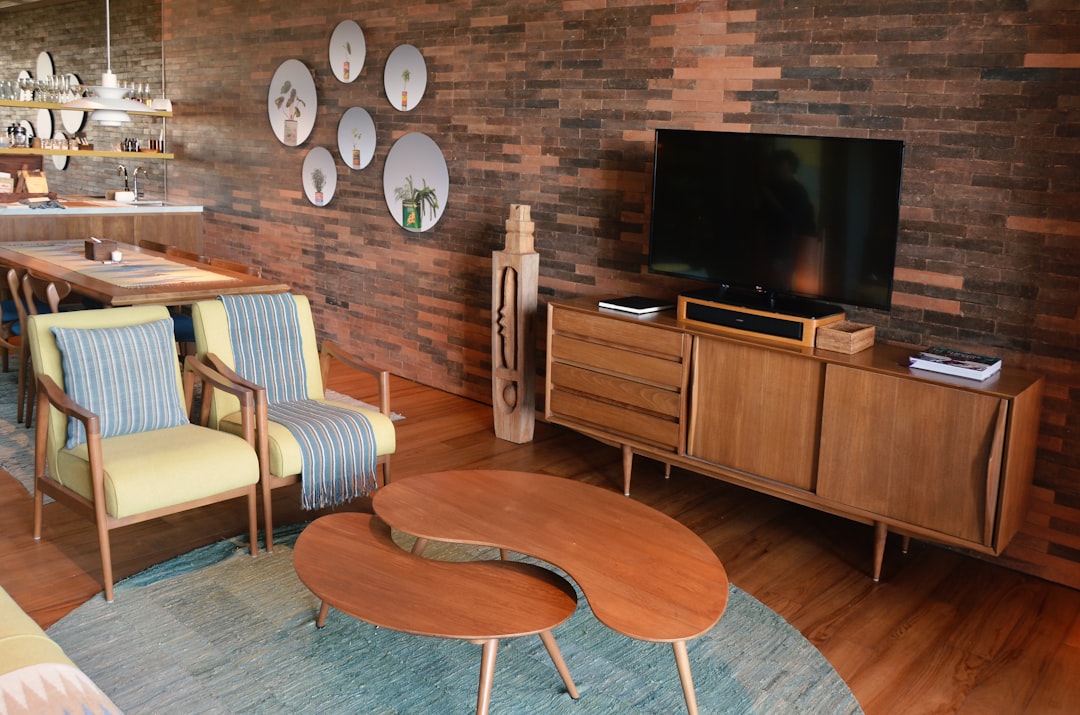
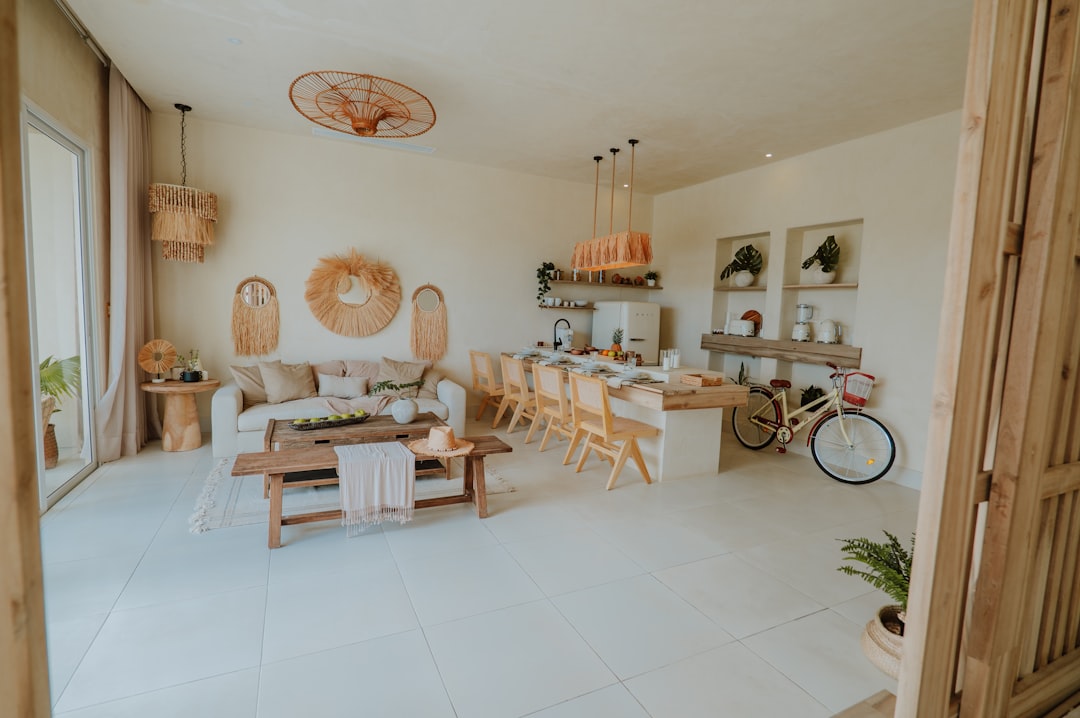
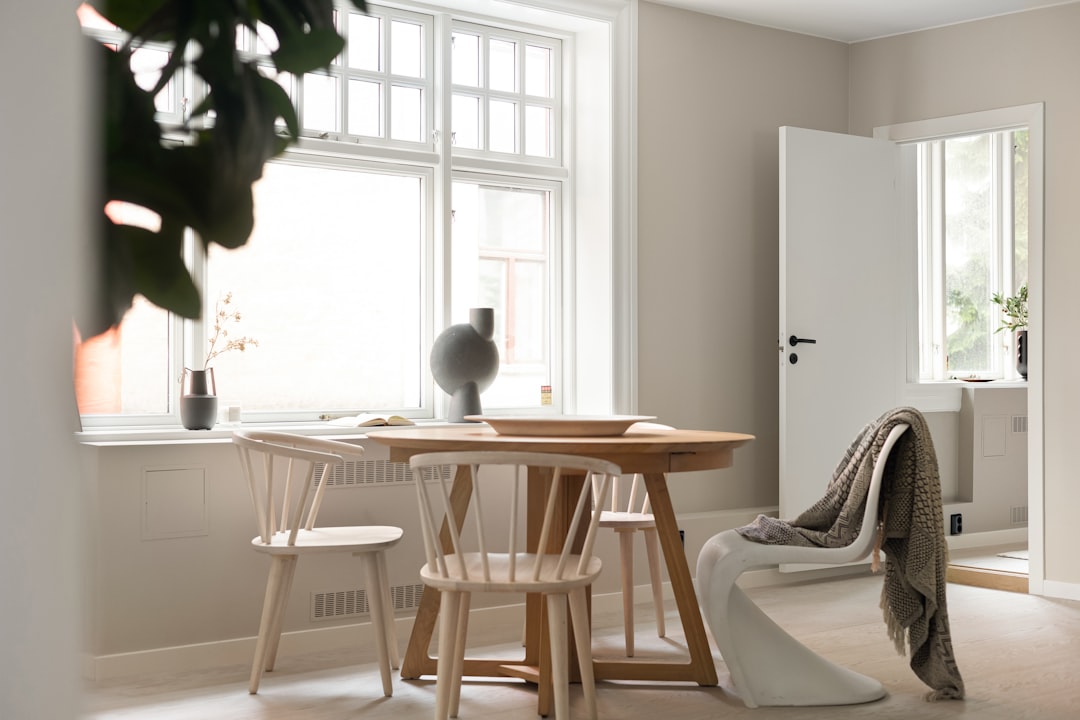
The Joo Seng showroom smells faintly of new fabric — a mix of linen blends and performance velvets — as you step inside. It’s the kind of place where you’ll find buyers running their hands over throws, testing textures for warmth and breathability before committing. In Singapore’s humid climate, that tactile test matters more than you’d think; a heavy wool throw might look cosy, but it’ll sit unused in most HDB flats by March.
Scandinavian aesthetics dominate the space, with neutral tones and clean lines that appeal to design-conscious homeowners. The throws here lean towards natural materials — linen blends, cotton weaves, and lightweight wool — all designed to balance hygge cosiness with practicality. You’ll spot muted blues and sage greens, paired with light wood frames that echo Nordic sensibilities. It’s a curated selection, but one that feels approachable for those furnishing BTO flats or condos.
Testing fabrics in person lets you gauge how they’ll hold up in daily use. A linen blend might feel crisp and cool at first touch, but it’s worth checking how it drapes over a sofa or armchair. The Tampines showroom, with its larger display area, lets you see these throws in context — draped over a light oak sofa or folded neatly on a minimalist coffee table. That visualisation is key for buyers balancing aesthetics and functionality.
For those drawn to Scandinavian living room furniture, the showrooms offer a chance to explore how accessories like throws fit into the larger scheme. It’s not just about picking a colour or texture; it’s about how it complements the clean lines and neutral palettes that define the style. And in a city where space is at a premium, every choice — from fabric to foldability — needs to earn its place.
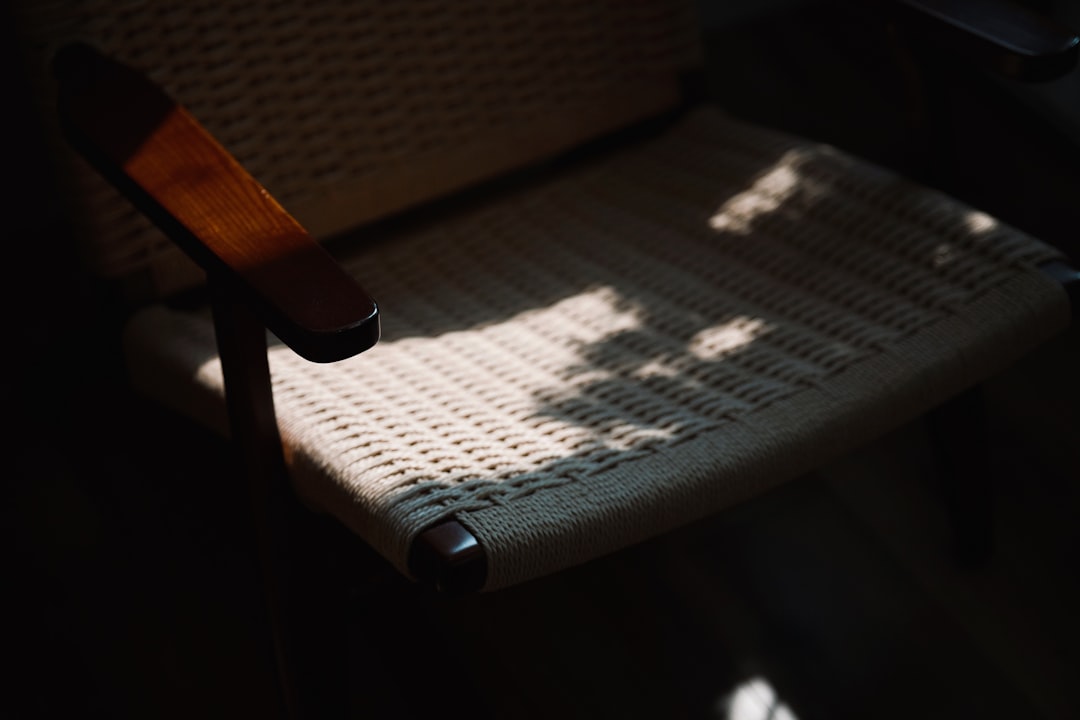
The delivery guy will leave your new linen sofa at the doorstep if you’re not home—standard practice islandwide, though someone should really be there to check for transit dents before signing off. Most Scandinavian-style furniture arrives flat-packed in boxes slim enough for lift access, but those solid oak dining tables from FortyTwo often need two-person hauling up the service staircase.
Warranties typically cover fabric defects like pilling or seam splits for 12 months, but won’t touch sun-bleached armrests—direct afternoon light through BTO bay windows fades even performance velvet within a season. Humidity’s the silent killer here; look for care tags specifying anti-mould treatments if your Tampines flat gets that persistent dampness along the bedroom walls.
One Eunos couple learned the hard way that “free delivery” doesn’t include dismantling the old IKEA Klippan loveseat clogging the hallway. Budget $50–$80 for removal services unless you’re willing to Sawzall it into pieces during the monthly bulky waste collection.
The real test comes after six months, when that pale bouclé armchair starts showing every speck of dust and curry stain. Neutral upholstery might match your Pinterest mood board, but it’ll have you Googling “professional upholstery cleaning near Aljunied” by Chinese New Year.
Warranty claims need dated photos of the defect—not the “my toddler drew on it with permanent marker” kind, but actual manufacturing flaws. Keep the original packaging for at least two weeks; some retailers demand it for returns, though they’ll never mention this upfront.
Best throws for air-conditioned rooms? Opt for lightweight, breathable materials like linen or cotton-blend throws. These balance warmth without overheating — a common issue in HDB bedrooms set to 22°C overnight. Avoid heavy wool or fleece; they’re better suited for colder climates, not Singapore’s year-round humidity.
How to prevent mould in humid SG? Store throws in well-ventilated spaces, ideally in a linen closet or open shelving. Rotate them weekly to air out moisture, especially during monsoon season. For extra protection, choose antimicrobial fabrics like bamboo or Tencel — they’re less prone to mildew than untreated cotton.
Pet-friendly materials? Performance velvet and tightly woven polyester resist pet hair and scratches better than bouclé or loose knits. Avoid throws with long fringe or tassels; they’re a magnet for claws. Machine-washable options are a must — accidents happen, especially with cats and small dogs in compact flats.
Compact throw sizing? For most HDB living rooms, throws around 150cm x 200cm work best. They’re large enough to drape over a two-seater sofa but won’t overwhelm smaller spaces. Folded, they fit neatly into IKEA Kallax units or under-bed storage — a practical solution for flats under 85 sqm.
In a 12 sqm HDB master bedroom, the throw draped over the bed often doubles as a makeshift blanket — which is why breathability matters more than you’d think. Singapore’s humidity doesn’t forgive heavy fabrics, and waking up drenched isn’t exactly hygge. Opt for linen or cotton blends; they’re lightweight, dry quickly, and don’t trap heat like wool or synthetic fibres.
Throw size is another practical consideration. A standard 150 x 200 cm throw works for queen beds, but in smaller spaces, oversized throws can overwhelm the room. Measure your bed’s width and add 30 cm for draping — enough to tuck in at the sides without pooling on the floor. For single beds in kids’ rooms or study corners, 100 x 150 cm is typically sufficient.
Colour matching isn’t just about aesthetics; it’s about cohesion. Scandinavian palettes favour muted tones like soft greys, sage greens, or off-whites, which blend seamlessly with light wood furniture and neutral upholstery. Avoid bold patterns or bright colours — they’ll clash with the minimalist vibe and date quickly. If you’re unsure, stick to neutral shades; they’re versatile and timeless.
Functionality should always trump looks. A throw that’s machine-washable saves time and effort, especially in Singapore’s dusty environment. And while texture adds depth, avoid overly textured fabrics like bouclé — they’re harder to clean and can snag on jewellery or pet claws. Prioritise ease of care, especially if the throw sees daily use.
Finally, consider the throw’s role in the room. In many homes, it’s not just decorative — it’s a practical piece for chilly nights or lazy weekend naps. If you’re furnishing a condo with air-conditioning running most of the day, a slightly heavier throw might make sense. But for HDB flats relying on ceiling fans, lighter is always better.